ホーム

ブログ について 1024x768 Resolution Its Legacy and Future in Display Tech

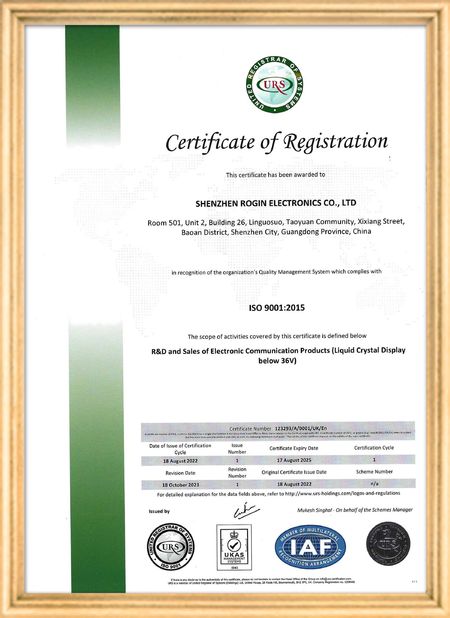
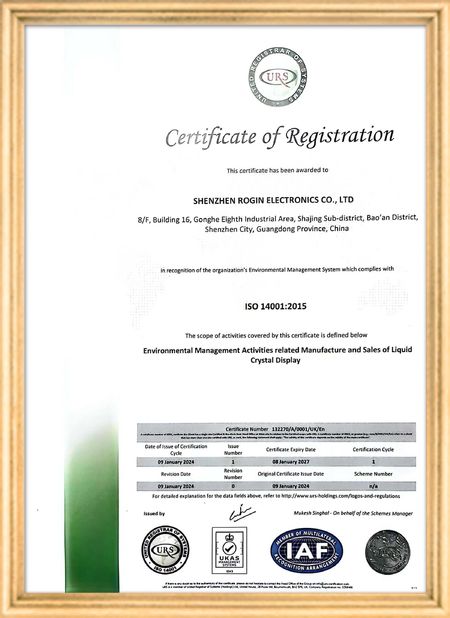
認証
中国 Shenzhen Rogin Electronics Co., Ltd. 認証
顧客の検討
このディスプレイは電車で完璧に動作します.高い明るさ,反輝,そして長期間の振動下で安定しています.乗客はきれいな視界が好きです.

—— カスペル・ソーレンセン

正確な色,迅速な応答,低温の正常な起動. 完全に電車のシステム上の厳しい環境に適合します.

—— ニコール・ベッカー

簡単な設置、広い温度範囲、明るい環境での優れた視認性。これらのディスプレイは、当社の産業機器要件をすべて満たしています。

—— ジョバンニ

この高明るさのLCDは,私たちの産業用制御パネルに最適です. 彼らは直接ワークショップの日光の下でもクリアです..

—— ルカス・ミュラー

オンラインです
会社 ブログ
1024x768 Resolution Its Legacy and Future in Display Tech
最新の会社ニュース 1024x768 Resolution Its Legacy and Future in Display Tech
Chapter 1: The Rise of a Display Standard

Before the era of 4K and 8K displays dominated the market, one resolution stood as the benchmark for computer monitors worldwide: 1024×768 pixels. This unassuming grid of pixels became the workhorse of early computing, powering everything from office work to gaming sessions.

1.1 Understanding Resolution Basics

Screen resolution refers to the number of individual pixels displayed horizontally and vertically. A 1024×768 resolution means the screen displays 1,024 pixels across its width and 768 pixels down its height, totaling 786,432 individual points of light. This arrangement directly impacts image clarity, with higher resolutions offering greater detail at the cost of requiring more processing power.

1.2 The Visual Impact

The choice of resolution significantly affects user experience:

  • Higher resolutions deliver sharper images with more visible detail
  • Lower resolutions appear more pixelated but require less system resources
1.3 XGA: The Technical Specification

Introduced by IBM in 1990 as the Extended Graphics Array (XGA) standard, 1024×768 represented a major leap forward from earlier VGA standards. This 4:3 aspect ratio format became ubiquitous throughout the 1990s and early 2000s, offering:

  • Improved clarity over previous standards
  • Better color depth capabilities
  • Reasonable system resource requirements
Chapter 2: The Changing Landscape of Display Technology

While modern displays have largely moved beyond 1024×768, this resolution maintains niche applications in certain contexts:

2.1 Current Applications
  • Budget devices: Some entry-level tablets and industrial equipment still utilize this resolution
  • Legacy systems: Older computers and specialized equipment may only support XGA
2.2 The Nostalgia Factor

For many users, 1024×768 represents more than just technical specifications—it evokes memories of early computing experiences. The distinctive 4:3 aspect ratio creates a more square-shaped image compared to modern widescreen formats, which some users still prefer for certain applications.

Chapter 3: Practical Considerations
3.1 Adjusting Resolution in Modern Systems

On Windows systems, users can still select 1024×768 through Display Settings. However, several factors should be considered:

  • Display compatibility with legacy resolutions
  • Potential image distortion on widescreen monitors
  • Driver requirements for optimal performance
Chapter 4: The Future of Classic Resolutions

While 1024×768 no longer represents the cutting edge of display technology, it continues to serve important functions:

  • Industrial applications: Many control systems prioritize stability over resolution
  • Retro computing: Enthusiasts maintain older systems for historical preservation
  • Technical constraints: Some embedded systems require lower resolutions
Chapter 5: Display Technology Evolution

The story of 1024×768 parallels the development of display hardware:

5.1 CRT Monitors

The bulky cathode-ray tube displays that first popularized XGA offered:

  • Excellent color reproduction
  • Fast response times
  • Significant physical footprint
5.2 The LCD Revolution

Liquid crystal displays brought slimmer profiles and reduced power consumption, though early models struggled with:

  • Limited viewing angles
  • Slower response times
5.3 Modern LED Displays

Today's LED-backlit LCDs offer improvements in:

  • Energy efficiency
  • Color accuracy
  • Longevity
Conclusion

1024×768 resolution represents a significant chapter in the history of computing. While technological progress has moved far beyond this standard, its influence persists in both practical applications and collective memory. Understanding this resolution's role helps contextualize the rapid evolution of display technology and appreciate how far visual computing has advanced.

パブの時間 : 2026-05-15 00:00:00 >> blog list
連絡先の詳細
Shenzhen Rogin Electronics Co., Ltd.

コンタクトパーソン: Mr. Kelvin Zhu

電話番号: +86 15919061504

私達に直接お問い合わせを送信 (0 / 3000)